 Reserve Your Spot
 (888) 845-5781
 Destinations
 Taking A Trip
 About Us


 Home
 Reserve a Guided Trip
 Reserve a Self-Guided Trip
 Destinations
 Taking a Trip
- Trips Overview
- Trips Preparation
- Trips Overview
 About Us
 Contact Us
 Blog
 (888) 845-5781
9 Ways to Stay in Hiking Shape Over the Winter
Uncategorized | 2 days ago
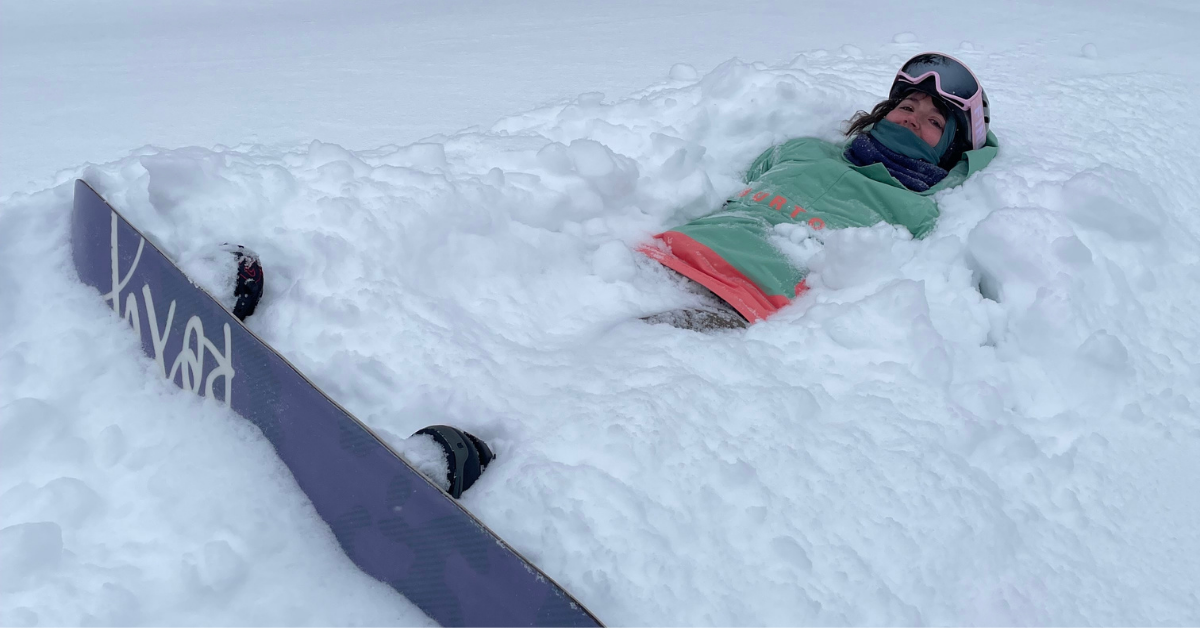
Keep your hiking fitness through the cold months with nine simple habits, from weekly long walks and stair climbs to strength work and loaded-pack days.
While we still have plenty of fall hiking left, the temperatures are dipping and the days are growing shorter and our hiking boots begin to gather dust as we bundle up and enjoy the warm indoors. While our couches can be persuasive, staying active through the winter months means you won’t have to start from scratch this spring. As we often tell guests, you want to arrive for your trip already in shape and here are ten ways to make that easier.
1. Keep a long walk on the calendar. One longer outing a month, or better yet, a week can do wonders to keep you moving. Even if you don’t have access to trails (which can be icy this time of year) an hour or two at an easy pace around the neighborhood helps maintain stamina and although it might be easy to talk yourself out of it, you’ll be glad you got outside when you return home.
2. Dress for the weather and go anyway. A hiking trip will always include some unexpected rain, cold, or wind. Layers, a shell, gloves, and a hat make most winter days walkable, and winter is when you figure out what your gear can handle. Start with a base layer against your skin, merino wool or a synthetic fabric, never cotton, which stays wet. Add fleece or light down, then an outer layer that blocks wind and rain, and a good wool sock underneath it all. The real skill is shedding a layer before you start sweating on a climb and putting it back on at the top, and it’s much better to learn that at home than on a mountain pass in June. Our Packing for Shoulder Season blog is a great place to start.
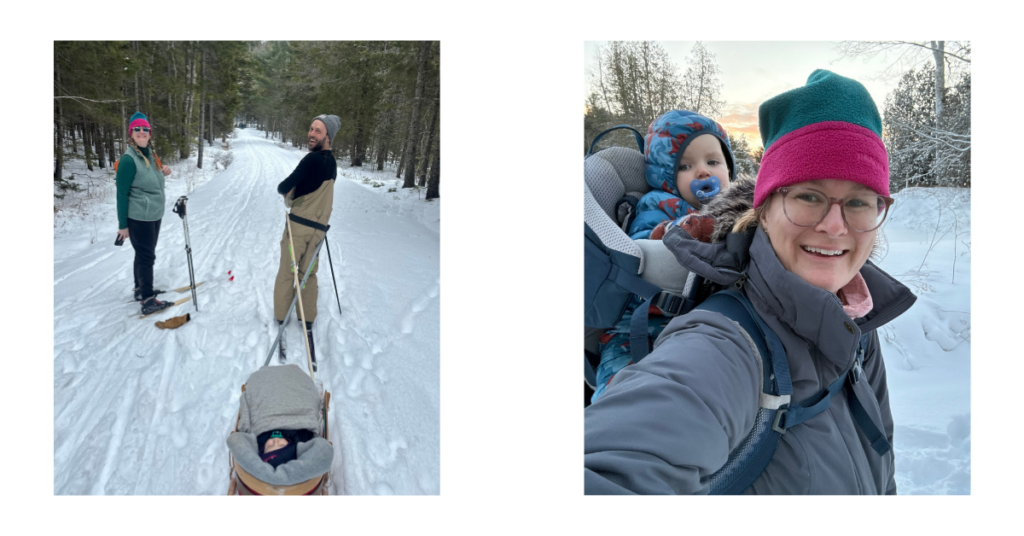
3. Find the incline. It’s important to continue building and maintaining muscles by incline walking. A regular jaunt around the track or through the neighborhood is a wonderful use of time, but it doesn’t compare to the strenuous work of navigating steep rocky ascents that we often find on hut-to-hut hiking trips. Walking the treadmill at a 15-30% incline builds muscles and cardiovascular health that’s essential to long stretches walking in the great outdoors. Alternatively, you can find a steep hill in your area, or a set of stairs that you can climb a few times to keep your body in the habit of upward movement.
4. Weight Lifting Twice a Week. Increasingly people are discovering the many benefits of weight lifting. Body weight and dumbbell exercises can help protect against a loss of bone density as we grow older, lowers the risk of osteoporosis, improves joint function, boosts metabolism and supports healthy brain function. If your Doctor agrees, doing a strength training session once or twice a week that targets your legs, back and core can help build the muscles that carry you up climbs and, just as important, bring you back down. Add a little upper body work too, since your shoulders will be carrying a pack.

5. Find Balance. Rocky, uneven trails can put pressure on your ankles and hips, forcing us to constantly shift our weight, navigate new terrain, and stay upright. Don’t lose this valuable skill over the winter, some simple yoga moves like half moon, crescent lunge or boat pose can help stabilize your core and keep you agile. Not a yogi? Stand on one leg while you brush your teeth, walk heel to toe, or stand up from your chair or the couch without using your hands.
6. Add a loaded pack, gradually. As your trip gets closer, you’ll want to get a feel for your gear. Try carrying your daypack with a little weight that you increase over time, take it on a hike, to the gym, or load it up and wear it while you fold laundry, cook dinner, or shovel your driveway.
7. Cross-train in the cold months. Hiking can be hard on the joints, and winter is a great opportunity to keep your body moving and active while giving them a well deserved rest. Snowshoeing, cross-country skiing, swimming, cycling, and yoga all build cardio and mobility. These are great ways to use your legs differently for a few months, and you might find a new favorite winter pastime while you’re at it.
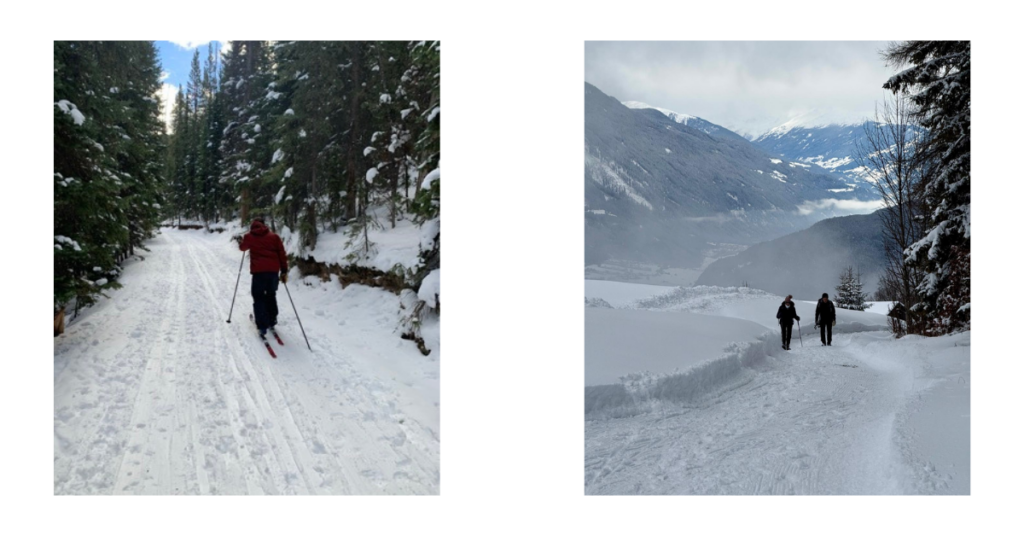
8. Consistency is key. It’s important to adjust our circadian rhythm to the seasons, and winter is a time of rest so think of this less as a training program and more of a mental note to self. A season of steady, ordinary effort gets you further than a frantic month of workouts in the spring. A quiet morning walk, some simple before bed stretches, a new winter hobby, or a weekly trip to the gym can help you maintain your strength and prepare for your next adventure.
9. Stay Accountable. We can talk ourselves out of almost anything, but this becomes a lot harder when someone else is involved. One of the easiest ways to help yourself stay active over the colder months is to get your community involved. Make arrangements to meet someone at the trailhead, form a weekly walking club, or simply grab a friend, a thermos of coffee and strike out for an afternoon of fresh air. Making a ritual out of movement makes it that much harder to go without and is crucial not only for our physical well being but for our mental health.
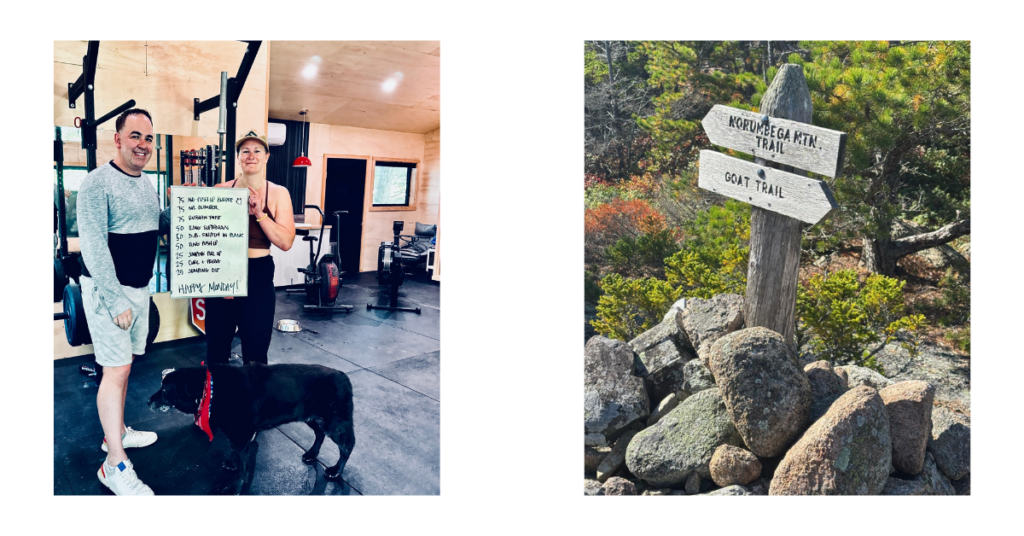
Make Winter Hiking Part of It
The best preparation for walking is more walking, and a winter hike asks more of you than the same route does in July. Snow and mud slow you down, the footing keeps changing, and the light goes earlier than you expect. All of that is good practice.
Check the weather forecast, tell someone where you’re going, and give yourself extra time, because a trail that takes two hours in July can take three in winter conditions. Turn around earlier than you think you need to. Walking out in the dark is no fun. Trail runners are fine on packed paths, but deep snow calls for boots and some traction.
This is also a good excuse to explore closer to home. State parks, rail trails, and county preserves stay open through the winter season and tend to be emptier than in summer. There may not be the same mountain views, but your legs won’t know the difference.
Arriving Ready
Every experienced hiker we travel with has some version of this routine, and none of them involve a frantic spring push. They walk through the winter, they lift a little, and they show up in May ready to enjoy the first day instead of surviving it.
If you have health concerns or are returning to exercise after a break, check with your doctor first.
Not sure how your fitness matches a particular route? If you’ve already booked a trip for 2027, contact us for a fitness guideline more closely tailored to the needs of your route, and we can talk through what the daily hiking times really ask for.
FAQ
How far ahead should I start training for a hiking trip?
Six months of steady, ordinary activity beats six weeks of hard work. If you are walking through the winter and adding some incline and strength work, you are already doing the main thing. Build in the loaded pack and the longer back-to-back days closer to departure.
How many days a week should I be active?
Three or four days of something is plenty for most people, with one of those being a longer walk. Consistency through the winter matters more than any single session, and rest days are part of it.
Do I need to train for consecutive days of hiking?
It helps. Most of our trips walk day after day, and that is the part people underestimate. A few weeks out, try two longer walks on back-to-back days and see how the second one feels. That tells you more than one hard day ever will.
What if I am starting from very little activity?
Start with what you can hold on to, which for most people is a regular walk. Talk to your doctor, then look honestly at the grade of the trip you want. Our Easy and Moderate routes suit hikers building up, and we are glad to talk through which one fits where you are now.


