Reserve Your Spot
 (888) 845-5781
  Destinations
 Taking A Trip
 About Us

 Home
Home Reserve a Guided Trip
 Reserve a Self-Guided Trip
 Destinations
 Taking a Trip
- Trips Overview
- Trips Preparation
- Trips Overview
 About Us
 Contact Us
 Blog
Blog (888) 845-5781
Hut-to-Hut Hiking Explained | A Complete Guide
Uncategorized | 7 months ago
What does it mean to travel on foot? What does it mean to move through a landscape with intention and to experience a place at its fullest? The sense of awe inspired by our surroundings, the empowering feeling of a day’s hard work, and a dinner well earned. At FieldHouse Adventures, we believe in the transformative power of slow travel, and we’ve been leading hikers on hut-to-hut routes across Europe and beyond for over 30 years. If you’re curious about this style of travel but not sure where to start, this guide is for you.
What Is Hut-To-Hut Hiking?
Hut-to-hut hiking trips are typically multi-day walking tours where you travel on foot to a new destination each night, staying in mountain huts or small lodges along the way. Rather than carrying a tent and camping gear, you carry a lighter pack and rely on the network of accommodation that has served hikers and climbers in the European Alps for well over a century.
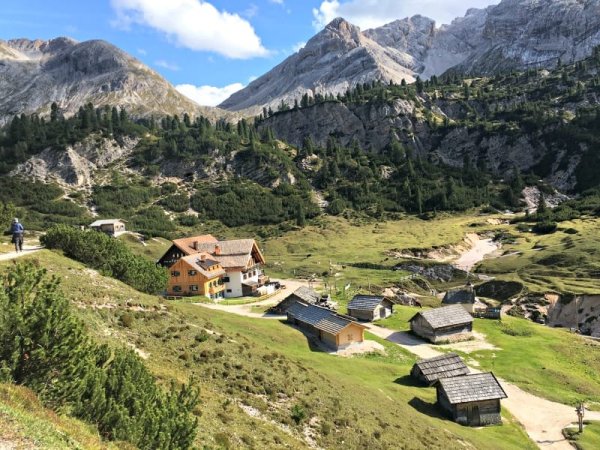
Depending on the country, these shelters go by different names: refuges in France, rifugios in Italy, cabanes in Switzerland, or simply huttes in German-speaking regions. Regardless of what they are called, they all share a rustic simplicity. A common dining room serves up hearty mountain meals, a welcome glass of wine or local brew, and an atmosphere of camaraderie that is almost impossible to find anywhere else. Accommodations vary from small private rooms to simple bunks, and while the amenities are sparse compared to our standards of modern luxury, they come with their own character, a welcome sense of kinship with other hikers, and a genuine hospitality that outshines the finest hotel.
“They all have their own character, and that character reflects the customs and history of the place where they’re set.” — Founder, Julie Head on the atmosphere of mountain huts
Why Choose Hut-to-Hut Hiking?
Getting To Know The Landscape
There are many ways to travel in this world, but hut-to-hut hiking allows us to traverse paths typically reserved for those who travel on foot. Routes like the Tour du Mont Blanc, the Haute Route from Chamonix to Zermatt, and the Dolomites Alta Via 1 traverse landscapes that no road will ever reach and no car will ever pass. Hiking hut-to-hut hiking offers us glimpses of the natural world unsullied by modernity, while the huts that dot the trails allow for a level of comfort and ease that makes these extended journeys through remote terrain possible.
Connection and Camaraderie
Each day you set out on the trail, either with a small group or on your own, but regardless of the pace you set or the stops you make along the way, all hikers end at the same hut in the evening. You share a dining table with other hikers who have undertaken the same commitment to the hiking experience as you, who have gotten to this remote and beautiful place under their own steam, and those connections can last a lifetime.
Alpine Tradition
Huts have been part of European mountain culture for over 150 years. The 1800’s are often referred to as the Golden Age of Alpinism with peaks like the Matterhorn, Wetterhorn, and even the Dolomites themselves charted for the first time by Anglo explorers. The subsequent boom in Mountaineering led explorers, interested in providing shelter and points of rest before challenging summits, to build the first of these mountain huts. Remains of similar structures can be traced back to Roman times, and in all reality, people have been hiking and sheltering in the mountains for as long as they’ve been alive, but the Alpine Clubs of the 1800’s built many of the huts that we still stay in today. For many, participating in this tradition of alpine exploration is a powerful part of the experience.
What to Expect on a Hut-to-Hut Trip
Accommodation
Huts range from simple to surprisingly comfortable, but all share certain features: shared bunk rooms (dorms) are standard, though some huts offer private rooms. Bedding is typically provided. Washing facilities are basic. You’ll want to bring earplugs and be prepared to share a room with other hikers.
Food
Meals at mountain huts are a highlight of the experience, spanning cultures and histories. Dinner is typically a set menu of hearty, local cuisine — pasta, polenta, or rösti, depending on the region and served in the communal dining room. Complete the meal with a glass of wine or a local pint. Breakfast is simple: bread, jam, yogurt, cheese, and yes, coffee.
Packing
Because these trails are not accompanied by roads, hut-to-hut hiking is self-supported, meaning you must carry your belongings with you each day. Packs should range from 8 to 12 kg and hold all the supplies you might need for the unpredictability of Mother Nature: rain gear, light but warm layers, a headlamp for early starts, a water bottle, trekking poles, and a supportive, broken-in pair of hiking boots. We provide detailed packing lists for every trip we offer, but remember, less is more!
Hiking
Route difficulty varies significantly; some of our treks like the Tour du Mont Blanc or Haute Route, are quite strenuous, with long days on the trail at substantial elevation gain. Others, like our Western Maine Hut Hike, offer a gentler introduction to the format. Be honest about your fitness level when choosing a route, and give yourself time to train in the months leading up to departure.
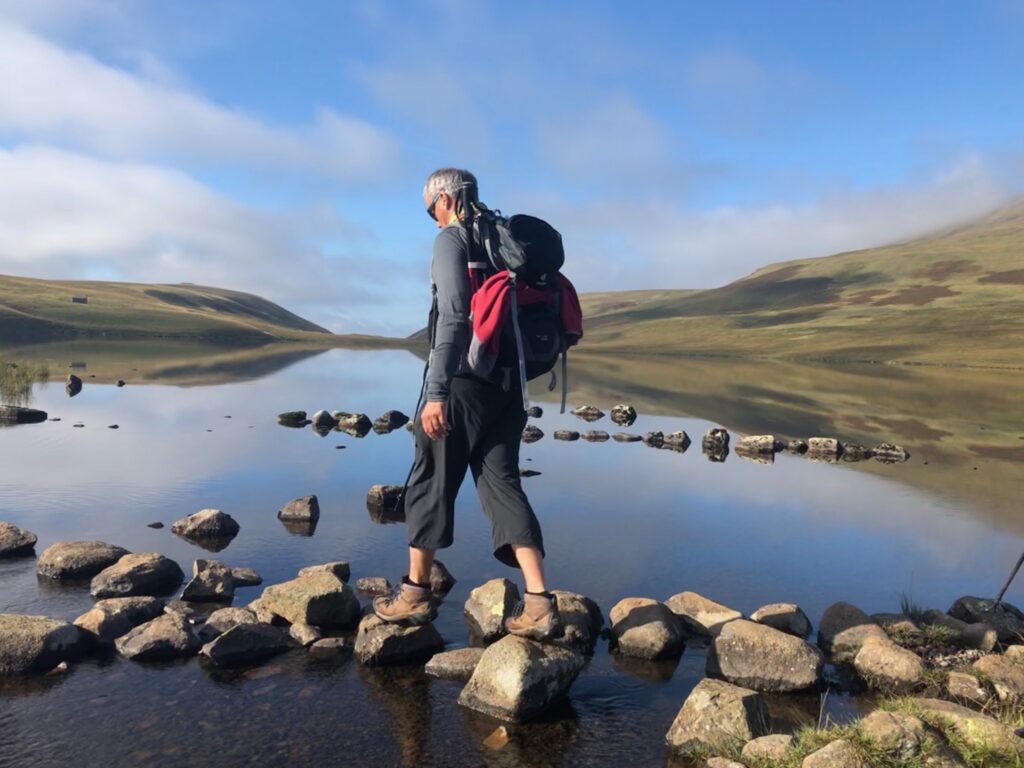
Is Hut-to-Hut hiking right for you?
Hut-to-hut hiking suits a wide range of hikers, but it does require a baseline of fitness and comfort with multi-day walking and fewer amenities. More strenuous trips, like the Haute Route, typically involve consecutive 6 to 8-hour days on the trail, over varied terrain. If you’re comfortable with the long days of walking, you’ll be treated to some of the most spectacular views this world has to offer, but it’s important to be realistic about your fitness level. We offer a wide variety of hikes, many of which require less exertion.
It’s also worth considering whether you’re comfortable with shared accommodation and more rustic amenities. If you’re open to the communal style of the huts, you’ll likely find these moments of connection to be some of the most gratifying of your entire trip. If you’re looking for something with slightly more privacy, our inn-to-inn trips may be a better fit.
If you’re ready to take your first steps on a hut-to-hut route, we want to talk to you! Browse our full range of hut hiking trips at fieldhouseadventures.com, or call us to talk through which route is right for you.