 Reserve Your Spot
 (888) 845-5781
  Destinations
 Taking A Trip
 About Us

 Home
Home Reserve a Guided Trip
 Reserve a Self-Guided Trip
 Destinations
 Taking a Trip
- Trips Overview
- Trips Preparation
- Trips Overview
 About Us
 Contact Us
 Blog
Blog (888) 845-5781
Dordogne on Foot – France Walking Tour
A walk through history in the heart of France
Jump to:
Trip Summary
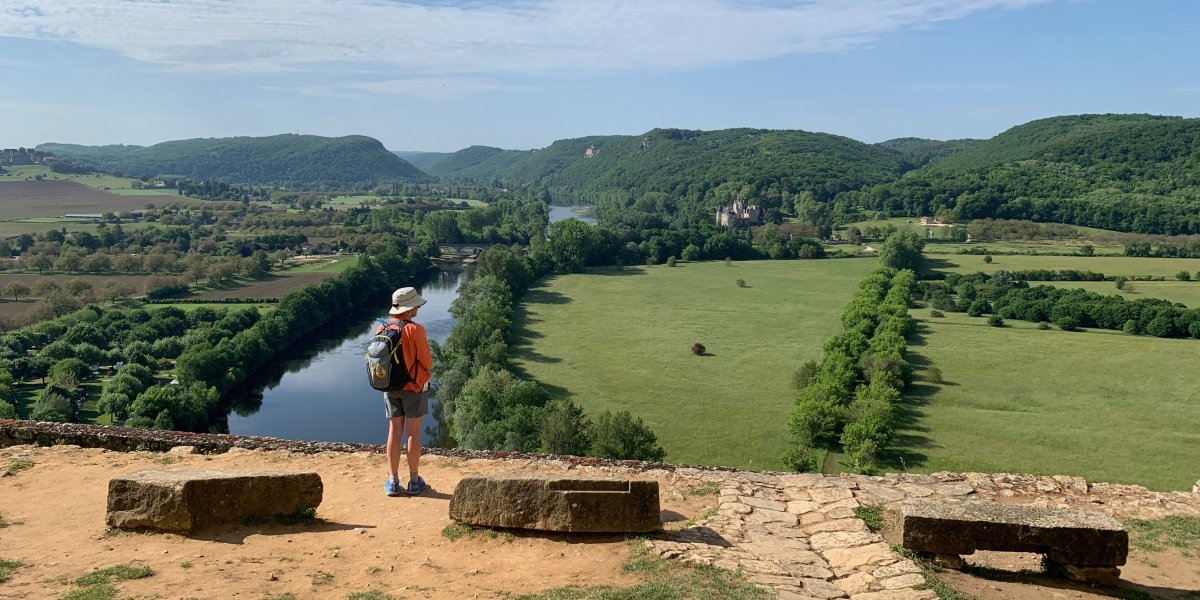
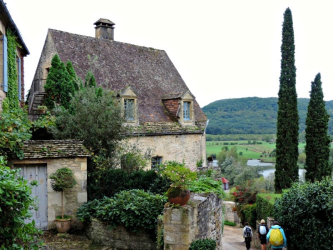
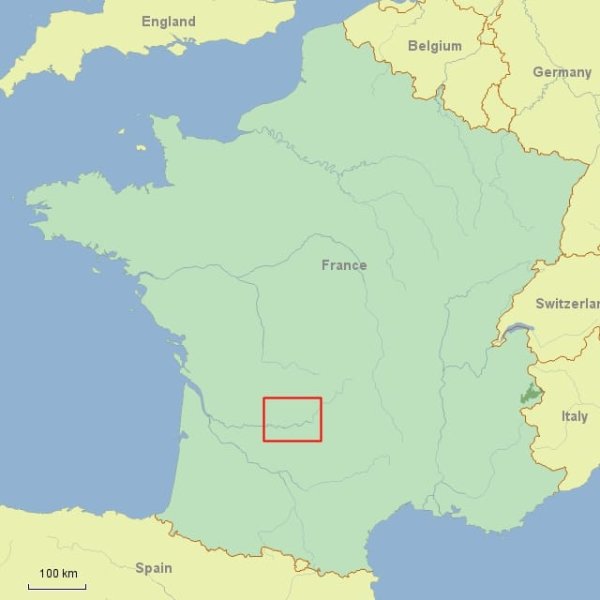
Carved out by the rivers of Dordogne, Lot, and Aveyron, this is a region of varying landscapes, fascinating history, and quintessential French cuisine. Prehistoric caves, medieval castles, and well-preserved bastide towns punctuate a countryside of rolling hills, oak forests, limestone plateaus, and cliff-lined valleys. Not surprisingly, from this fertile terroir come those classically French staples of truffles, foie gras, wild mushrooms, fine wines, and cheeses galore.
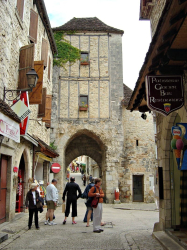
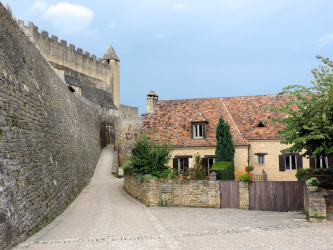
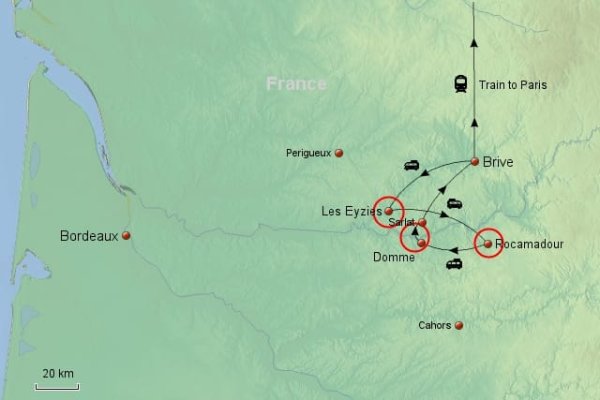
Our 8-day Dordogne on Foot trip begins in the bastide town of Domme. Perched high above the river with expansive views of fertile fields and distant castles, Domme provides the perfect picturesque base for an introduction to the region with walks to the well-preserved fortified villages of Castelnaud and Beynac, and the hanging gardens of the Chateau Marqueyssac.
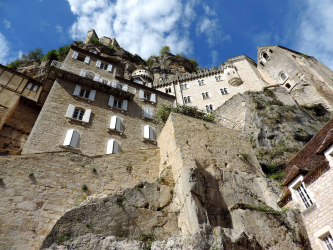
From Domme, we travel to the pilgrimage town of Rocamadour. Set against the stunning cliff-face of the Alzou Canyon, Rocamadour has been attracting walkers of one kind or another for centuries, and the tranquility of the surrounding countryside makes it a compelling spot to linger.
Finally, we head to the village of Les Eyzies, nestled on the Vezere River. Designated a UNESCO World Heritage site in 1979, the Vezere valley is rich with both well-preserved prehistoric and medieval sites, notably Lascaux, Font de Gaume, and Chateaux Commarque. Les Eyzies provides an ideal base for the exploration of this area.
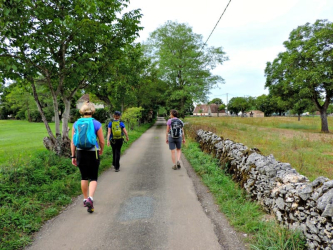
This trip offers a nice balance between great hiking and time spent exploring castles, prehistoric caves, cobbled streets, and museums. As with all our hiking and walking trips, we look for the right blend of physical endeavor, inspiring settings, comfortable accommodations, and memorable meals. And as always, we hope to capture the essence and rhythm of this most sublime of French regions.
Dordogne on Foot – France Walking Tour Itinerary
Additional Information
SOLO TRAVELERS
If you wish to have your own room, there is a single room supplement fee of $950. Please let us know at the time of registration if you would like a single room. Single rooms are limited.
If you are traveling alone and would like to share a room, we will match you with a roommate. If there is no one with whom you can share, a “forced” single” fee of $600 will apply.
INCLUDED
- All accommodations
- All breakfasts
- All dinners
- All group transfers as per the itinerary
- Group transfer from the Perigueux train station Day 1 and to Sarlat train station on Day 8
- 3 days with Prehistory/History guide
- Walking guides
- Great hiking and memories!
NOT INCLUDED
Airfare, lunches, optional/individual transfers or excursions, items not on set dinner menu, beverages, insurance, tips to guides/leaders, items of a personal nature.
LUGGAGE
During this trip, we will be based in three different locations. As our luggage will be transferred from location to location along with the group, you will only need to carry a day pack during our walks. We still encourage our trip members to bring a medium-sized bag they can manage easily by themselves, keeping in mind that some of our hotels will have narrow hallways and no elevators. See our sample packing list.
ACCOMMODATIONS AND FACILITIES
We will be staying in comfortable 3-star hotels, some with swimming pools. The hotels will reflect the rich culture and atmosphere of the region. Needless to say, the food is wonderful! Breakfasts and dinners are served at the hotels and lunches are picnic style along the trail or at local cafes.
TRAVEL
It is most convenient to fly into Bordeaux and take the train to Perigueux. You may also fly to other airports in France, Paris for example. There are frequent, direct trains from Paris Montparnasse train station to Bordeaux. We recommend arriving a day or early to allow for adjusting to the time difference and to accommodate any travel or luggage delays. Please contact us for help with trains and travel.
MEETING POINT
The trip will begin with an early afternoon group pickup at the Perigueux train station on Day 1. There are frequent, direct trains from Bordeaux Saint Jean train station to Perigueux. The exact meeting time will be noted in our final Rendezvous Information.
ENDING POINT
The trip will end with an early afternoon group transfer to the Sarlat-la-Canéda train station. From Sarlat, it is possible to take a train to Bordeaux and other points in France and beyond. Please allow for travel time when making air reservations.
MORE INFORMATION
Please contact us for a more detailed itinerary, for more information, or to register. We’re also happy to supply a list of past participants willing to share honest insights into this guided Dordogne on Foot experience.
Route Maps
Related Trips
 Austria Cross-Country Skiing
 Coastal Maine Hiking
 Croatia’s Dalmatian Coast – Walking Tour
Exploring World Heritage National Parks and Island Archipelagoes
Croatia’s Dalmatian Coast – Walking Tour
Exploring World Heritage National Parks and Island Archipelagoesmore
 The Dales to the Lakes


