 Reserve Your Spot
 (888) 845-5781
 -
 Destinations
-
 Taking a Trip
- Trips Overview
- Trips Preparation
-
 About Us
-
 Contact

-
 Home
Home
-
 Reserve a Guided Trip
-
 Reserve a Self-Guided Trip
-
 Destinations
-
 Taking a Trip
- Trips Overview
-
- Trips Preparation
-
-
 About Us
-
 Contact
-
 Blog
Blog
-
(888) 845-5781

Colors of Provence Hike
Hike the Landscapes of Provence in Lavender Season
Jump to:
Trip Summary
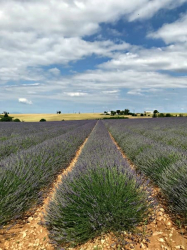
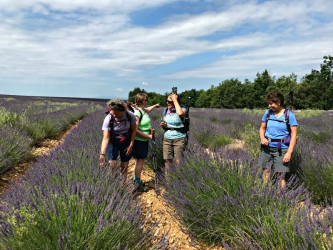
Jean Giono, the French author, famously said, “Lavender is the soul of Provence.” Lavender has long been recognized for its healing and aromatic qualities, and until recently, Provence has been one of the world’s leading producers. From the end of June to mid-July, when harvesting typically takes place, the landscapes of Haute Provence and the Luberon can be ablaze with this curiously vibrant blue and purple flower.
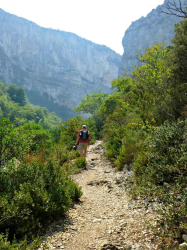
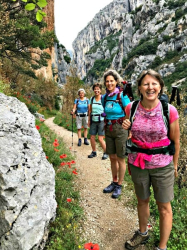
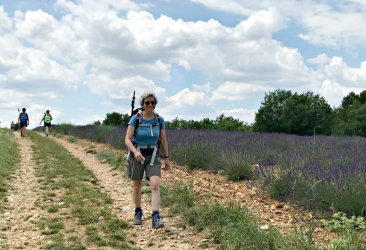
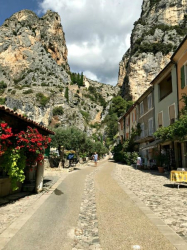
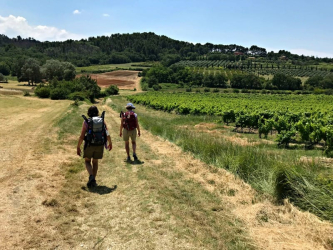
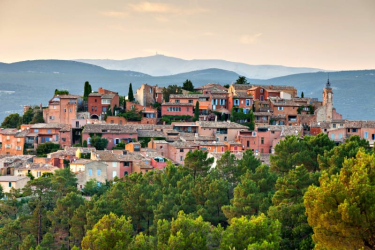
A variation of our Provence Inn-to-Inn itinerary, this 10-day trip revisits some of our favorite villages and trails at a more leisurely pace and with a special emphasis on hitting some lavender highlights. Starting in the medieval village of Annot, the gateway to the Verdon Gorge area, we’ll experience the rugged beauty of Haute Provence as we hike along trails scented by wild lavender. Our hikes will take us to Castellane, the tiny hamlet of Chasteuil, through the impressive gorge itself, and on to the wonderful village of Mousiter St. Maire, perched between the mountains and the fertile plateau of Valensole. From the lavender fields, fruit orchards and olive and oak groves of the Valensole, we’ll transition to the UNESCO-listed nature reserve of the Parc Naturel Régional du Lubéron. Defined by the high bluffs of the Luberon massifs to the south and the Plateau de Vaucluse to the north, this is a region of forested foothills, open farmland, hidden valleys, and charming medieval hilltop villages.
There is an ease and a peacefulness to the landscapes and villages of Provence that make them worth savoring again and again. Whether experiencing these areas for the first time or returning for another taste, you’ll discover a richness and sense of connection only traveling on foot can provide. Join us!
Colors of Provence Hike Itinerary
Additional Information
SOLO TRAVELERS
If you wish to have your own room, there is a single room supplement fee of $600. Please let us know at the time of registration if you would like a single room. Single rooms are limited.
If you are traveling alone and would like to share a room, we will match you with a roommate. If there is no one with whom you can share, a “forced” single” fee of $300 will apply.
INCLUDED
- All accommodations
- All breakfasts
- All dinners, except one in Moustiers St. Marie
- Daily luggage transfer for one medium-sized bag
- All group transfers as per the itinerary
- Group transfer to the Marseilles Airport on Day 10
- Guide/s
- Great hiking and great memories!
NOT INCLUDED
Airfare, one dinner in Moustiers, lunches, optional/individual transfers or excursions, items not on set dinner menu, beverages, insurance, tips to guides/leaders, items of a personal nature.
LUGGAGE
This hike includes luggage transfer each day. You will need to carry a small daypack with the clothing and extra items you will need for the day. We recommend that you keep your luggage to a size that you can easily manage yourself, given that our accommodations may have narrow hallways and no elevators. See our sample packing list.
While this trip includes luggage transfer, it is not vehicle supported. Participants should be in physical condition appropriate to the strenuousness of this hike. It is, however, possible to skip a day of hiking and take a taxi to the next hotel. This extra cost is not included in the price of the trip.
ACCOMMODATIONS AND FACILITIES
Hotels: The hotels on this route are very comfortable; some are simple but classic, others offer a high standard of amenities. All reflect the local character and offer a warm Provencal welcome. Unless noted, all have private bathrooms. Three hotels have swimming pools.
Meals: Breakfasts and dinners are served at the hotels, and lunches are picnic style along the trail.
TRAVEL
It is easiest to fly into Nice and out of Marseilles. However, if your plans include travel to Paris, it is possible to take the train between Paris and the Aix-en-Provence TGV train, which is about 8 miles from the Marseille Provence Airport. Frequent shuttle buses run between the airport and TGV station.
MEETING POINT
The trip will begin at the hotel in Annot. Participants can take the scenic train from Nice to Annot – Chemins de Fers de Provence. The travel time is about 2 hours.
ENDING POINT
The trip will end with a morning transfer from Roussillon the Marseille Airport, arriving at about 10:30 am; please make travel plans accordingly.
MORE INFORMATION
If you would like to receive more information, a more detailed itinerary (including elevation gains, loss, and distance), or to register, please contact us. We’re also happy to supply you with a list of past participants willing to share their insights into this guided Colors of Provence Hike.
Related Trips
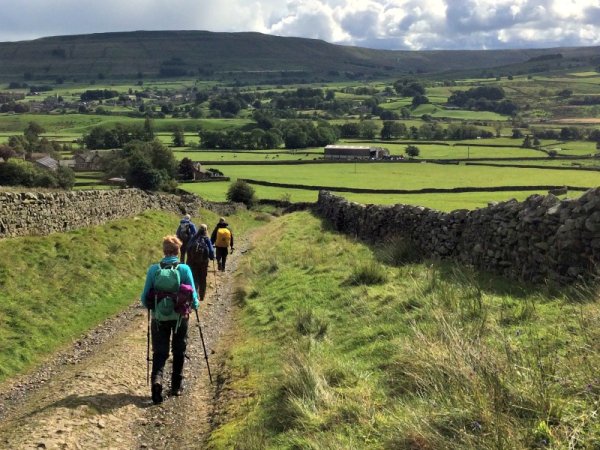 England Coast-to-Coast Walk
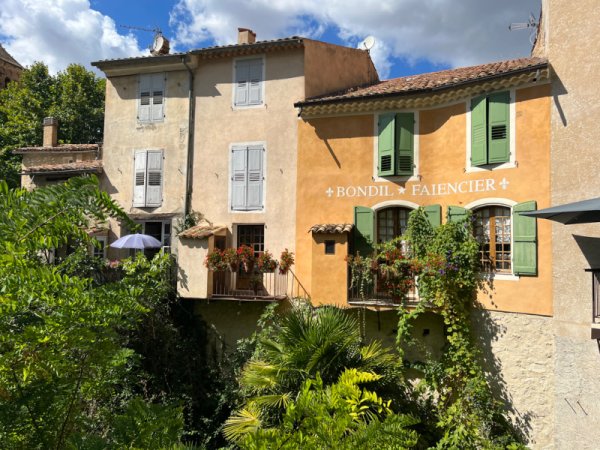 Hiking Provence Inn-to-Inn
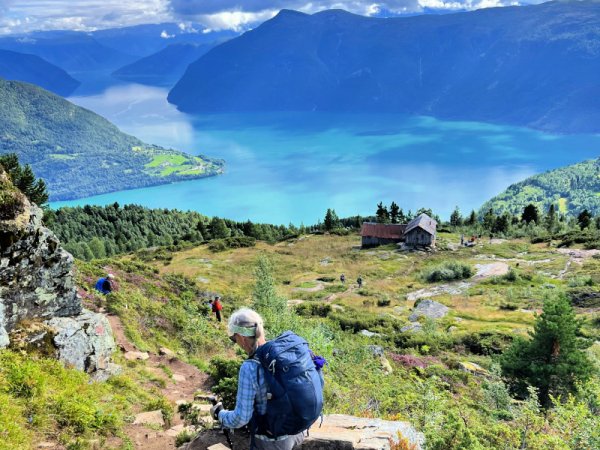 Norway Inn-to-Inn
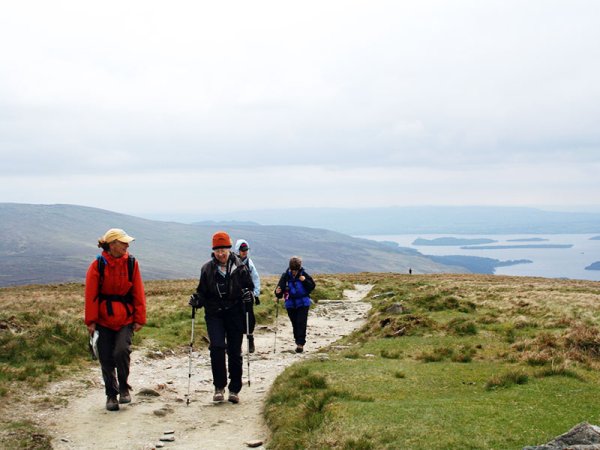 Scotland’s West Highland Way Hike
Scotland's classic long-distance route from Glasgow to Ben Nevis
Scotland’s West Highland Way Hike
Scotland's classic long-distance route from Glasgow to Ben Nevismore


